
Address:
1455 E Main Street, Ste 100
Ventura, CA 93001

The Ventura Beach Dog Survival Guide: How to Prevent Saltwater Poisoning, Hot Sand Burns, and Beach Illnesses
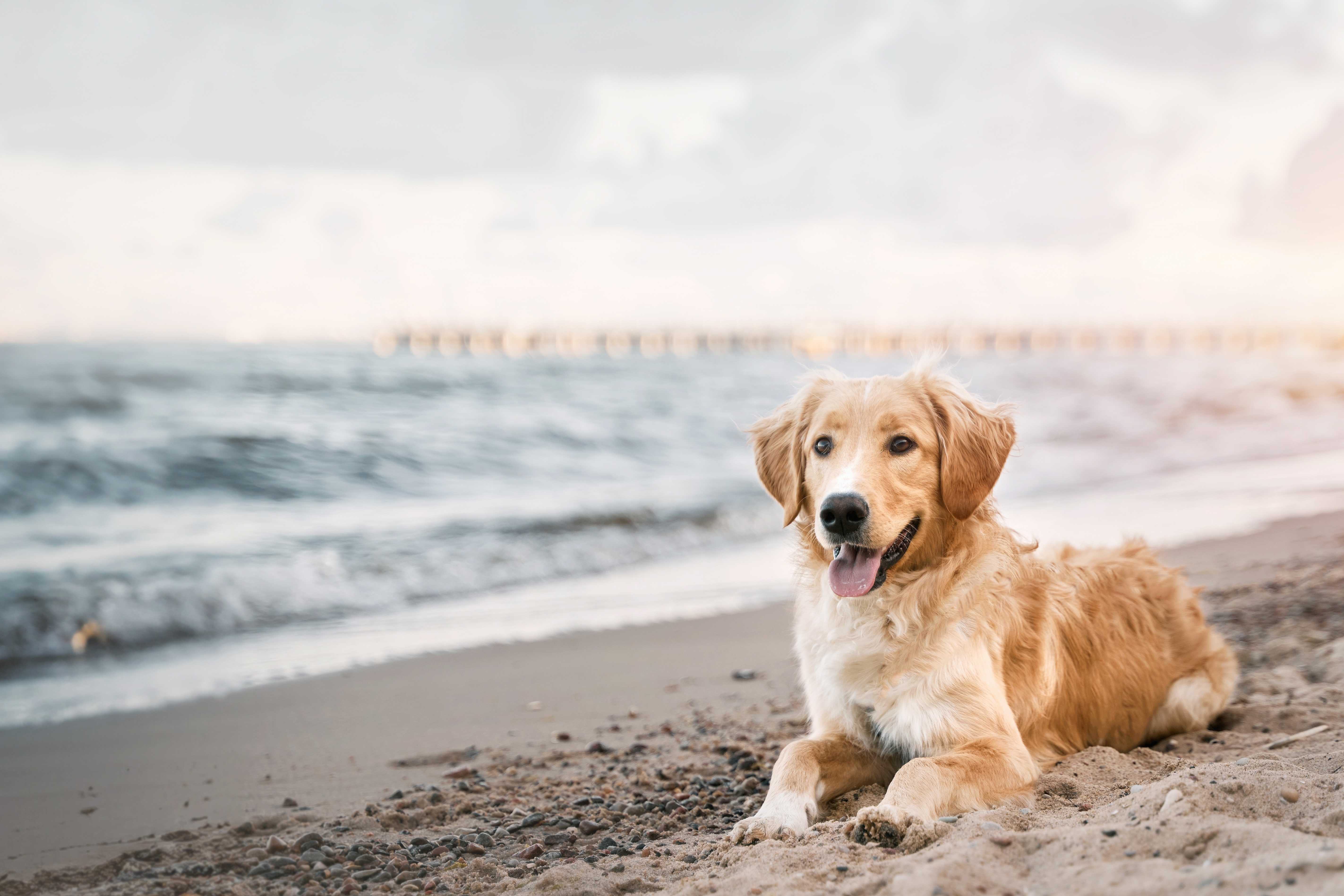
Ventura’s coastline is a great place to enjoy the outdoors with your dog, but a day at the beach also comes with a few health risks pet owners should know about. Saltwater ingestion, hot sand, dehydration, and exposure to contaminated water can quickly turn a fun outing into a veterinary concern. With a little preparation, you can help your dog enjoy the beach more safely.
Prevent Saltwater Poisoning
Dogs may swallow ocean water while swimming, retrieving toys, or simply trying to drink when they are thirsty. Small amounts may cause an upset stomach, while consuming too much saltwater can lead to dangerous changes in the body’s sodium levels.
Signs of excessive saltwater ingestion can include vomiting, diarrhea, unusual thirst, weakness, confusion, tremors, or seizures. Severe symptoms require prompt veterinary attention.
Bring plenty of fresh drinking water to the beach and offer it to your dog frequently. Taking regular breaks from swimming can also reduce the amount of seawater they accidentally swallow.
Protect Your Dog's Paws From Hot Sand
Ventura beach sand can become surprisingly hot on sunny days. Dogs walking or running across heated sand for extended periods can develop painful paw pad irritation or burns.
Try to visit earlier in the morning or later in the day when temperatures are cooler. Give your dog access to shaded areas and check their paws periodically. Limping, repeatedly licking the feet, redness, tenderness, or damaged paw pads can indicate an injury that needs attention.
Watch For Common Beach Health Hazards
The ocean itself is not the only potential concern. Dogs naturally explore with their noses and mouths, making it important to supervise them closely around unfamiliar objects, food, wildlife, and standing water.
Common beach hazards can include:
- Drinking large amounts of ocean water
- Eating sand, seaweed, dead fish, or other objects found along the shore
- Overheating during prolonged activity in direct sun
- Cuts from shells, rocks, glass, or other sharp debris
- Exposure to contaminated water or harmful algae
- Stomach problems after eating discarded food or trash
Preventing your dog from scavenging and keeping them within sight can help reduce many of these risks.
Keep Your Dog Cool And Hydrated
Running through sand and swimming require more energy than many owners realize. Dogs can become overheated or dehydrated even when the ocean breeze makes the weather feel comfortable.
Bring fresh water, a portable bowl, and access to shade. Schedule frequent rest periods and pay attention to excessive panting, drooling, weakness, or reluctance to continue playing. Brachycephalic breeds, senior dogs, puppies, and dogs with certain medical conditions may need shorter beach outings.
Rinse Off After A Ventura Beach Day
Before heading home, rinse your dog with fresh water to remove salt, sand, and debris from their coat and paws. Check between the toes, inspect the skin for irritation or cuts, and look over the ears after swimming.
If your dog develops repeated vomiting, severe diarrhea, weakness, tremors, breathing difficulty, significant paw burns, or other concerning symptoms after a beach trip, veterinary care should not be delayed.
For veterinary care after your dog’s Ventura beach adventures, schedule an appointment at Mission Animal Hospital in Ventura, CA at (805) 643-5479.
Quick Links

All Services
Learn More
Keep
In Touch
© 2025 Mission Animal Hospital. All rights Reserved - Accessibility Statement - Privacy Policy - Sitemap
Powered by